
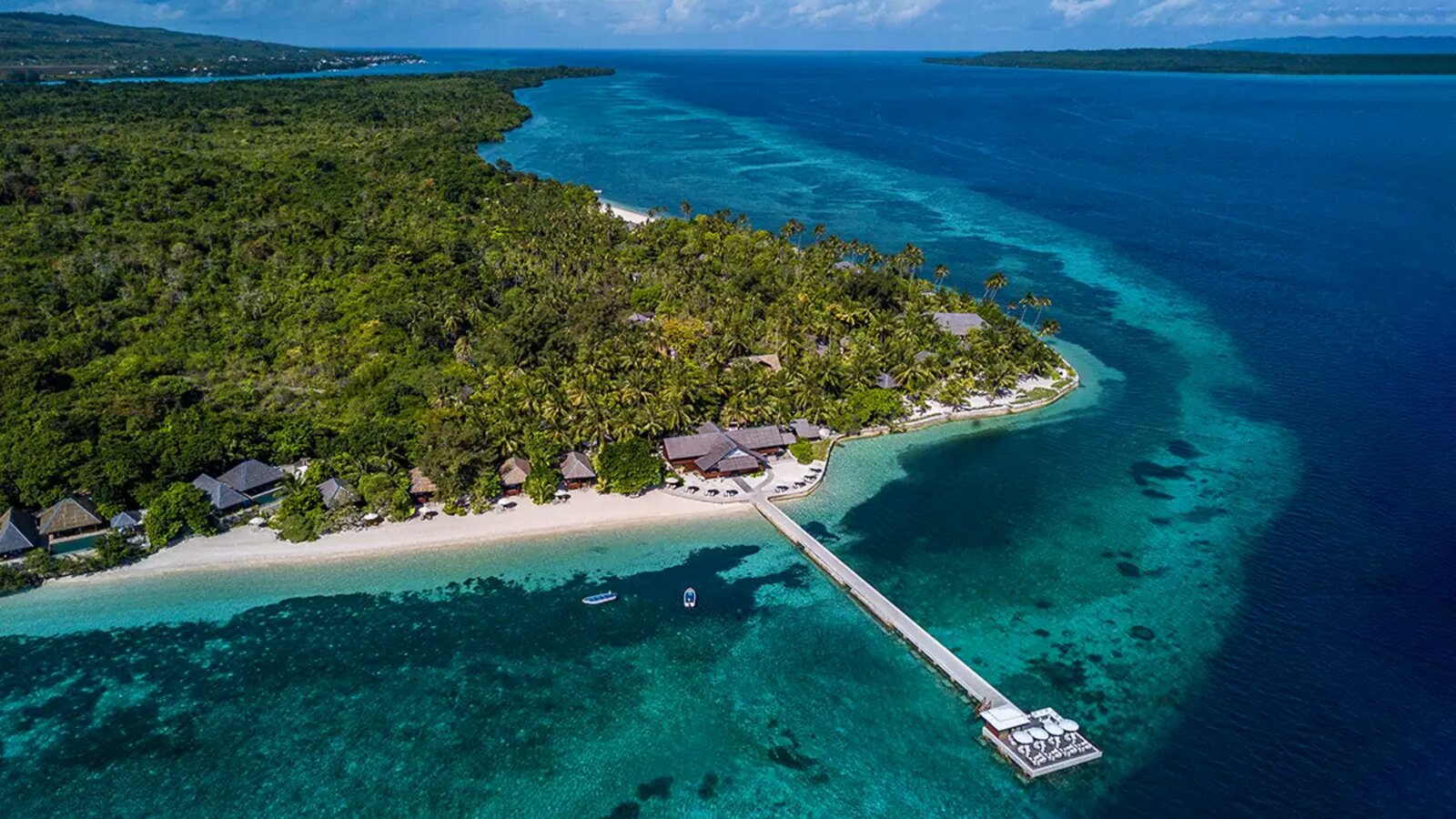
Wakatobi
Why visit Wakatobi
Wakatobi's calm, clear conditions make it as approachable for first-time liveaboard travellers and snorkelers as it is rewarding for experienced divers.
Wakatobi takes its name from the initial letters of its four main islands, Wangi-Wangi, Kaledupa, Tomia, and Binongko, together forming the Tukang Besi Archipelago off the southeastern tip of Sulawesi. The surrounding reefs, built on fossilized, uplifted limestone, make up Indonesia's largest barrier reef system and the world's second largest, after Australia's Great Barrier Reef. A Coral Triangle national marine park with strict local fishing limits, Wakatobi is consistently rated among the calmest, clearest-water diving in Indonesia. Trip length, exact route, and marine activities depend on the vessel and operator.
Because the surrounding limestone islands are dry and produce little soil runoff, Wakatobi's water stays consistently clear, and its reefs, some rising to within one or two meters of the surface, are as rewarding to snorkel as to dive. Days often combine a relaxed morning reef dive with an afternoon stop at a white sand beach on Hoga Island, or a visit to a Bajau stilt village, the seafaring community that has called these waters home for generations. It is a gentler pace than the current-driven destinations further east, well suited to travellers who want the Coral Triangle's biodiversity without demanding conditions.
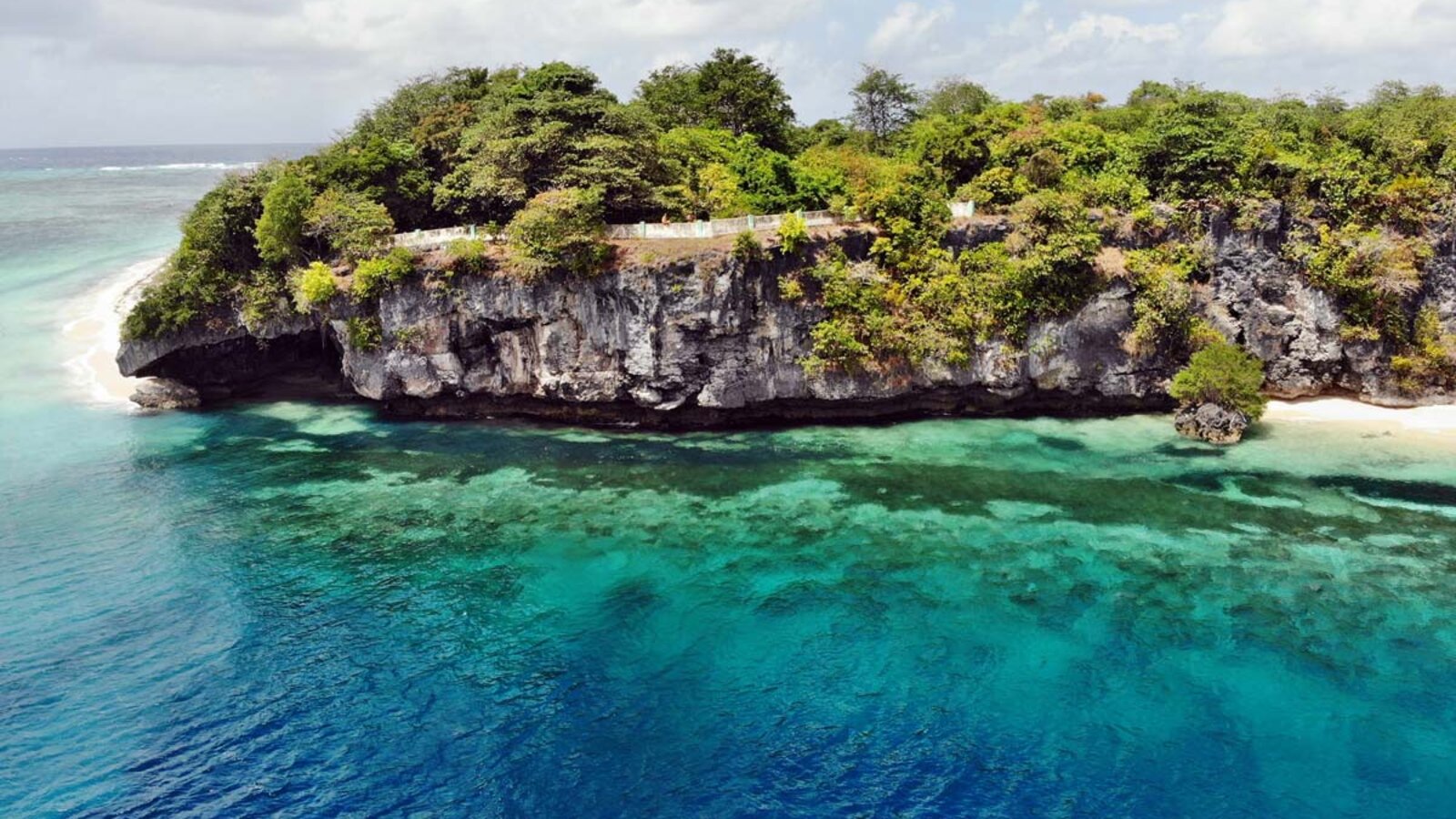
Some of Indonesia’s clearest water
Limestone islands with minimal soil runoff keep visibility consistently high, a rare combination with the region's reef biodiversity.
Calmer conditions than most destinations
Generally gentler currents than Komodo, Alor, or the Banda Sea, making Wakatobi a strong choice for divers building experience or traveling in mixed groups.
Bajau sea nomad culture
The islands of Wangi-Wangi and Kaledupa are home to the Bajau people, a traditionally seafaring community, with village visits included on many itineraries.
A recognized world heritage marine park
A designated UNESCO World Heritage site and Indonesia's third-largest marine park, with active local involvement in reef protection.
The four islands
Wakatobi takes its name from four main islands, each with a distinct role in a typical itinerary, connected by shorter stops at smaller islands including Hoga and Kapota.
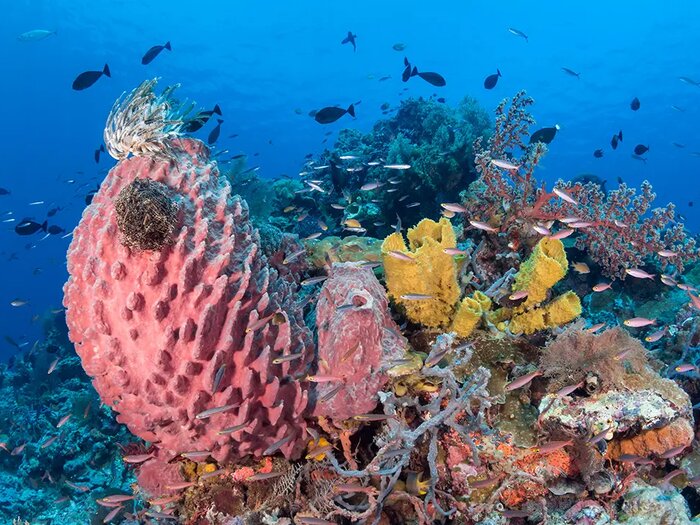
The Reef Epicenter
Considered the heart of the national park's marine biodiversity, home to the well-known Roma dive site and the private airstrip serving the area's dive resort, making it a common starting or ending point for liveaboard itineraries.
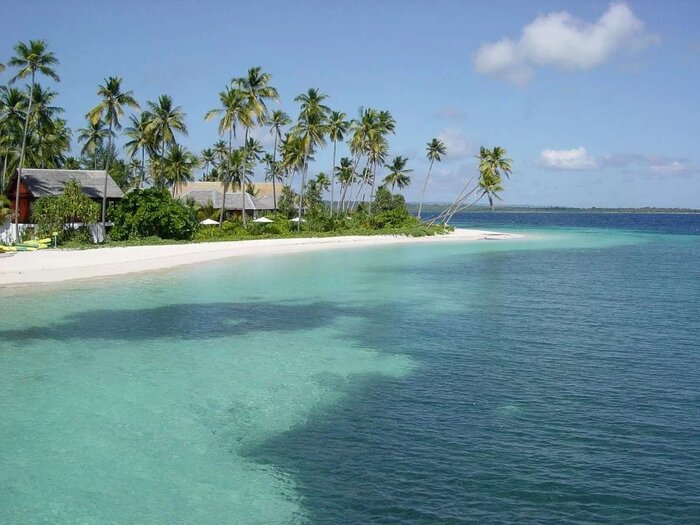
Bajau Villages and White Sand
Kaledupa is home to a large Bajau stilt community and the seamount maze of Karang Kaledupa, while nearby Hoga Island offers a short sail to a brilliant white sand beach and dive sites suited to all levels.
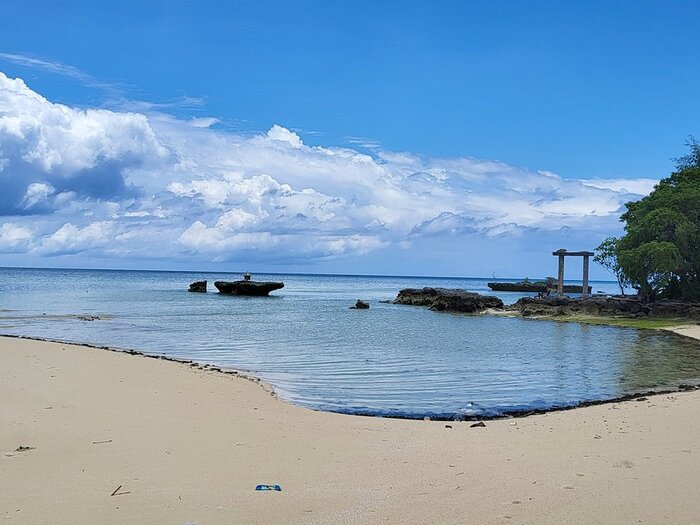
The Remote Frontier
Binongko is Wakatobi's most remote main island, known for traditional blacksmithing and a protected sea turtle population at Turtle Point. Nearby Buton's Pasarwajo Bay offers some of the archipelago's best muck diving.
Marine life and dive sites
Compiled from public dive references and kept current by PhinisiGO.
Wakatobi sits inside one of the largest marine national parks in Indonesia, and the near-total absence of runoff or heavy current keeps visibility consistently high year-round. That clarity, more than any single dive site, is what the region is known for among divers who have been elsewhere in the Coral Triangle.
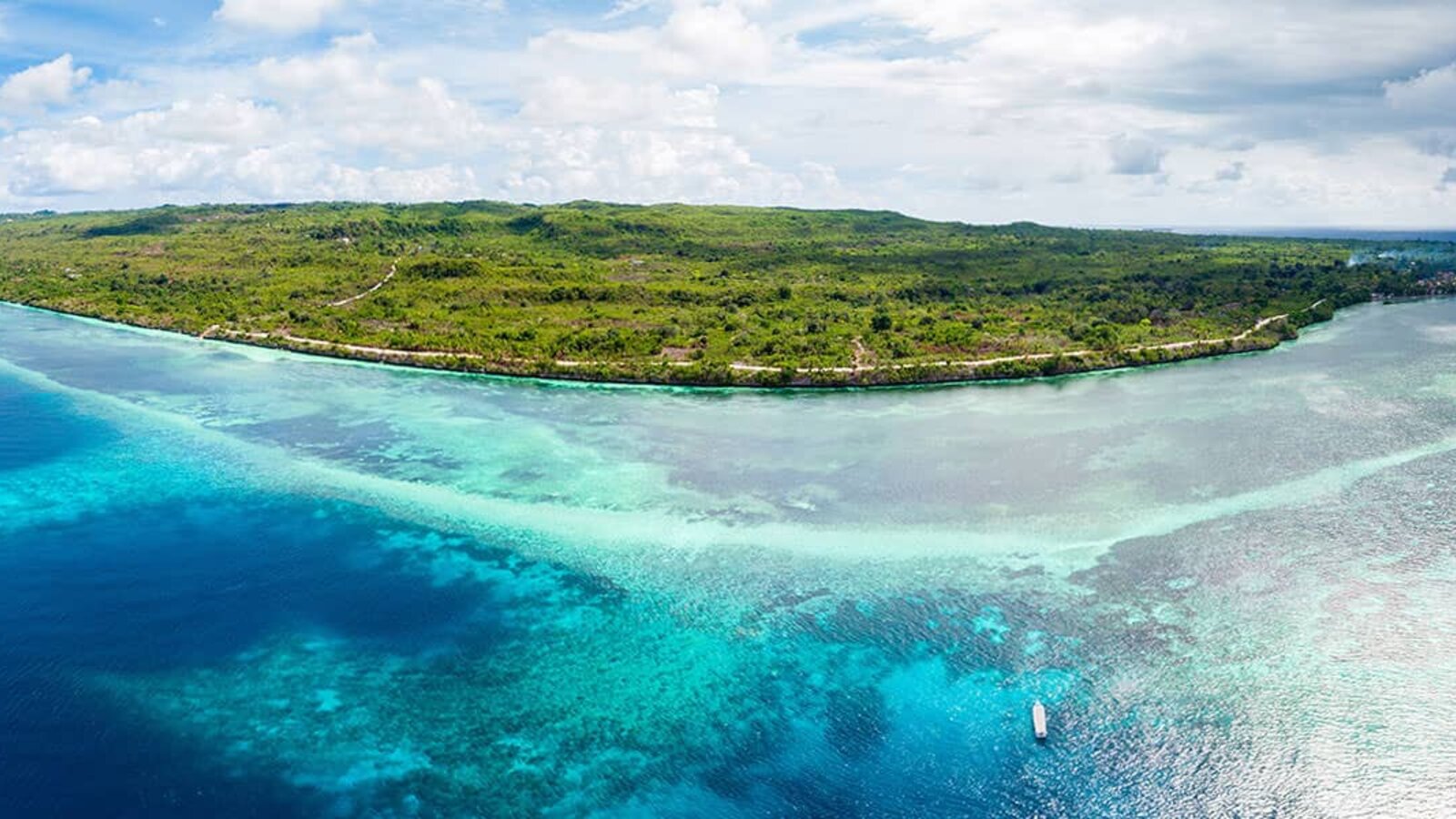
Roma
One of Wakatobi's finest dive sites, greeting divers on descent with large schools of vibrant reef fish over a healthy, current-fed reef.
House Reef
A shallow wall and drop-off reachable from shore or by liveaboard, at around twelve meters, with mild currents that allow for a relaxing drift among anemones, crabs, and nudibranchs.
Karang Kaledupa
A seemingly endless maze of submerged seamounts connected by ridges, shallow enough to be entirely covered in pristine coral.
Karang Kapota
Monolithic coral bommies rising from a white sand seabed, offering a distinct topography from Wakatobi's more typical wall and slope dives.
Komang Reef
An elongated seamount alive with soft corals and large sponges, visited on tide changes by rays, tuna, trevally, and blacktip sharks.
Pasarwajo Bay Muck Sites
Sites including Asphalt Pier and Cheeky Beach offer some of Indonesia's better muck diving, alongside Magic Pier, known for the nightly courtship display of resident mandarinfish.
Beyond diving
Topside activities that make Wakatobi workable for mixed groups of divers and non-divers.
Bajau village visits
Guided stops at traditional stilt villages on Kaledupa or Wangi-Wangi, home to the seafaring Bajau people.
Hoga Island beach time
A short sail from Kaledupa to a brilliant white sand beach, well suited to an afternoon of relaxing between dives.
Flying fox viewing
Hundreds of giant fruit bats can be seen at dusk on Topa Mata Island, taking to the sky in search of food.
Turtle Point
A protected area off Binongko where conservation efforts have supported a recovering sea turtle population.
Getting there
Wakatobi is most commonly reached through Matahora Airport (WNI) on Wangi-Wangi, which receives daily flights from Makassar (UPG) and, on some routes, Bali (DPS). Some liveaboard itineraries instead board at a private airstrip on Tomia serving the area's dive resort. Bali is the common international gateway and stopover for most travellers heading to Wakatobi, whether arriving before or after the liveaboard segment of the trip.
Liveaboards sailing Wakatobi
Example vessel profiles using the same listing structure as the main Liveaboards page.
Loading liveaboards…
Wakatobi voyage guides
Practical planning topics connected to this destination, without replacing current information from the vessel operator.
Best time to sail Wakatobi
A practical overview of seasons, sea conditions, rainfall, and the periods most commonly used for liveaboard itineraries.
Reaching Wangi-Wangi
A simple planning outline for flights, arrival timing, hotel nights, and transfers before joining a Wakatobi departure.
Wakatobi or Komodo?
Compare the two destinations by access, typical voyage length, marine life, seasonality, and how suitable each is for a first liveaboard trip.
Wakatobi — frequently asked questions
Independently compiled planning answers, kept current by PhinisiGO.
What is the best time to visit Wakatobi?
Wakatobi is diveable year-round given its generally sheltered, calm conditions, though April to November tends to bring the driest weather and calmest seas for the most comfortable liveaboard experience.
Is Wakatobi good for beginner divers?
Yes. Compared to current-driven destinations like Komodo or Alor, Wakatobi's conditions are generally calmer and its water notably clear, making it a strong choice for less experienced divers and mixed-experience groups.
How long should a Wakatobi trip be?
Most liveaboard itineraries run seven nights, moving through the Tukang Besi Archipelago's four main islands along with smaller stops such as Hoga and Kapota.
What makes Wakatobi's reef system significant?
The surrounding reefs form Indonesia's largest barrier reef system and the world's second largest after Australia's Great Barrier Reef, built on fossilized, uplifted limestone that keeps the surrounding water unusually clear.
Can I combine Wakatobi with other destinations?
Some liveaboard itineraries pair Wakatobi with wider Indonesia trips of twelve nights or more, though it is also commonly visited as a standalone seven-night trip given the private airstrip access on Tomia.
Search Liveaboards in Wakatobi
Compare vessel profiles, listing status, capacity and pricing basis, then send an enquiry to PhinisiGO, your first point of contact for booking.