
Halmahera
Why visit Halmahera
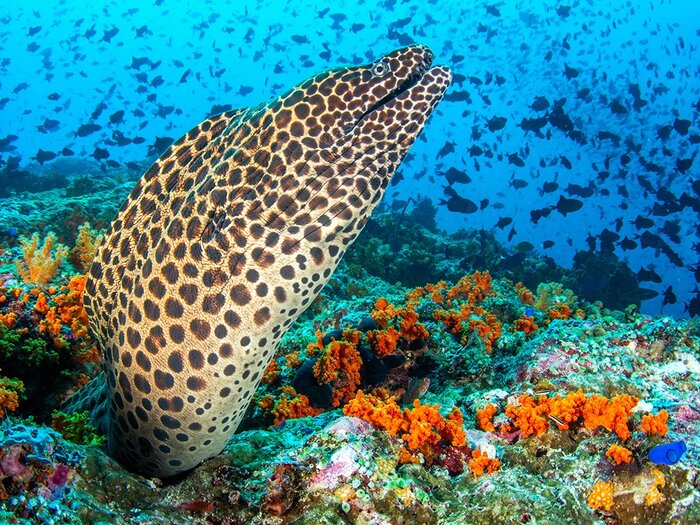
As Raja Ampat has grown busier, a growing number of experienced divers have started looking to Halmahera for the same biodiversity with far fewer other liveaboards.
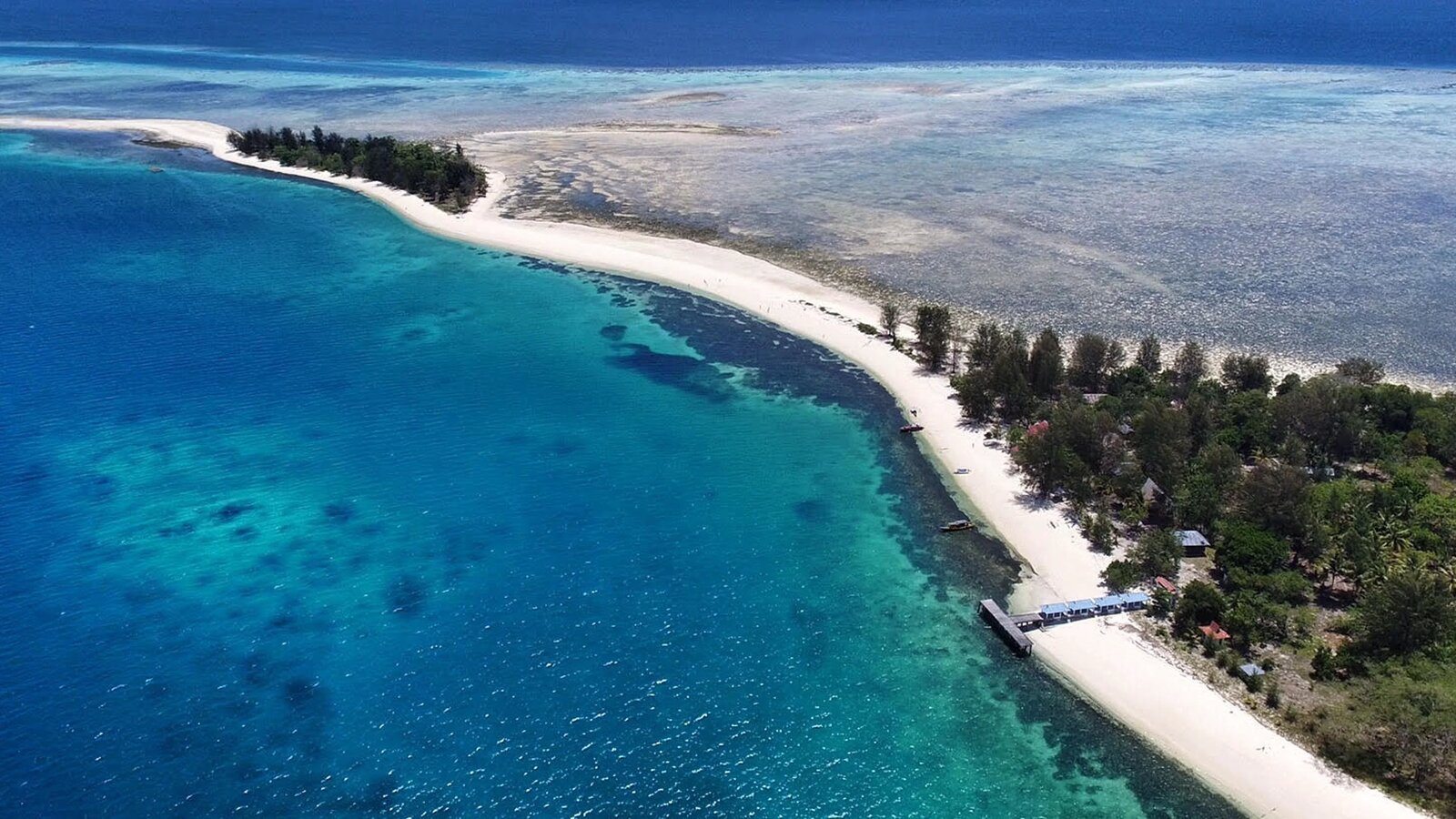
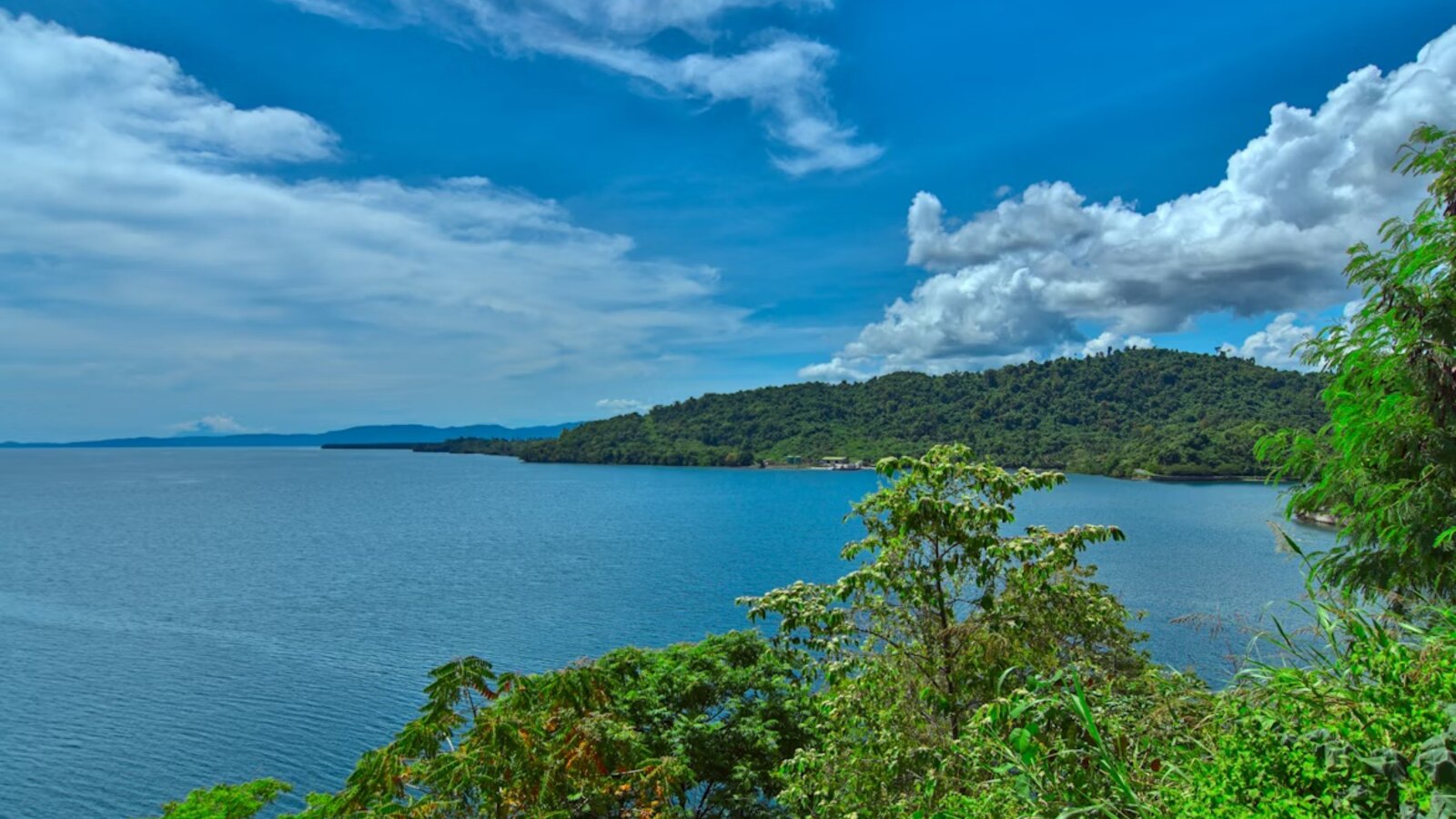
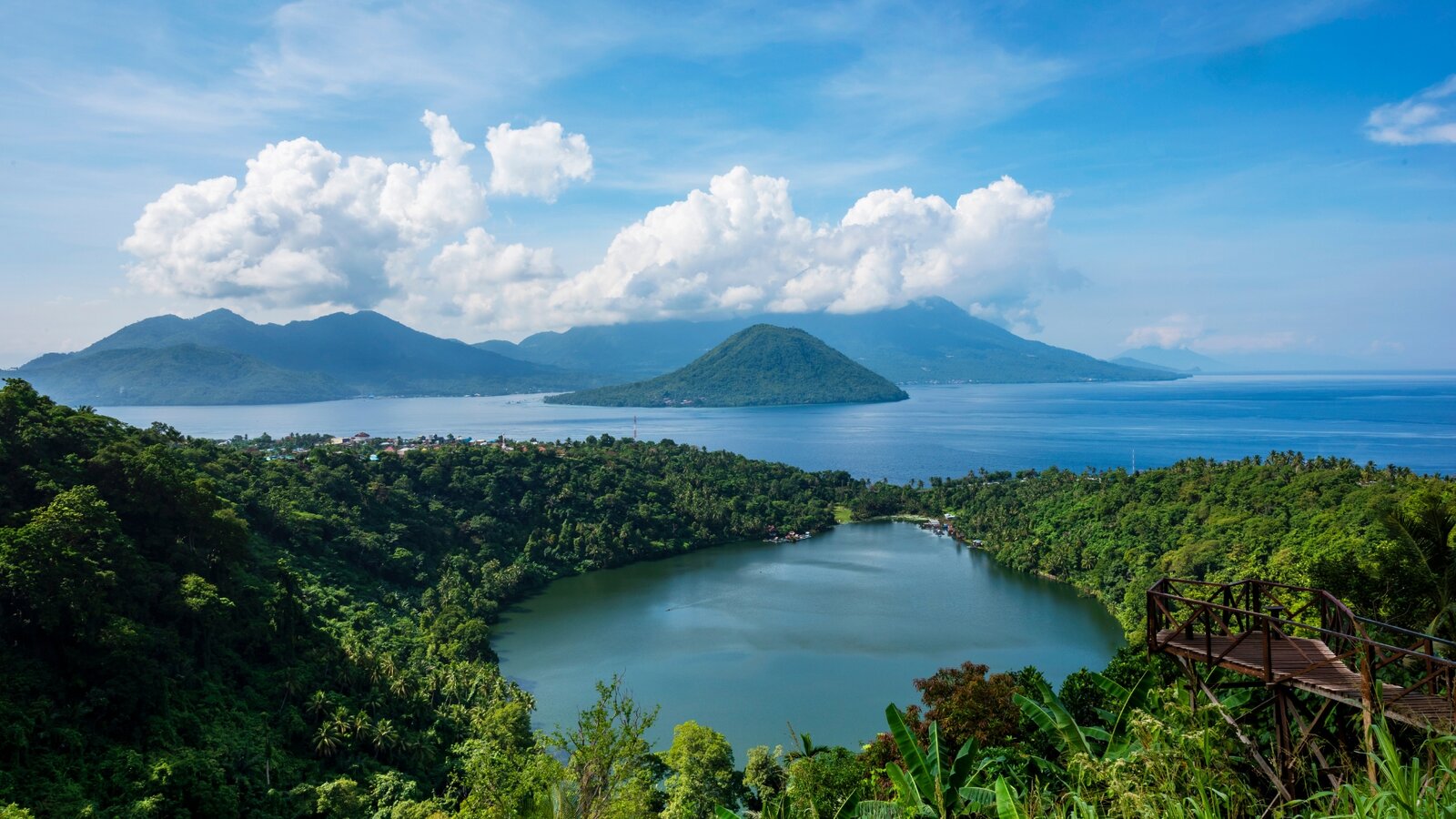
Halmahera is the largest island in the Maluku Islands, its interior covered in lush, largely intact rainforest and ringed by volcanoes rising directly from a calm sea. Most voyages depart from Ternate, the historic spice island off Halmahera's west coast, though some itineraries instead start in Sorong or Bitung near Manado. The region combines frontier-style reef diving with genuine World War Two history, including Japanese wrecks scattered through the surrounding waters, and is home to a species of walking shark found nowhere else on Earth. Trip length, exact route, and marine activities depend on the vessel and operator.
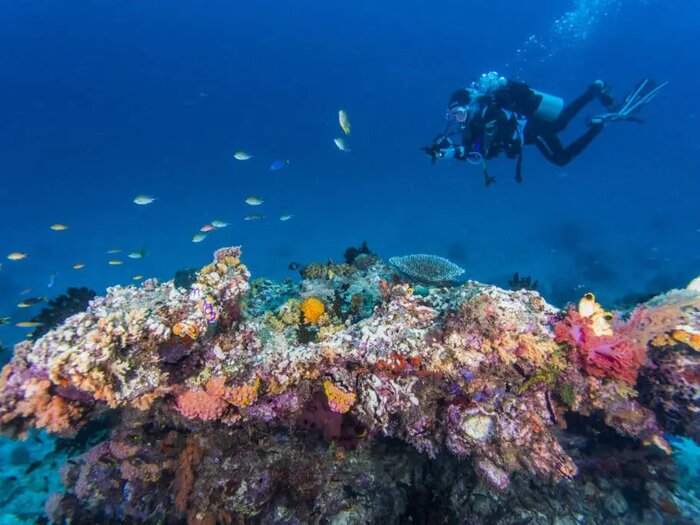
Marine biodiversity here is frequently compared to Raja Ampat's, and Halmahera shares similar geology and reef structure with its better-known neighbor, but at a markedly lower cost and with markedly fewer other visitors. The island's complex, convoluted coastline creates a wide range of habitats within a short sailing distance, from current-swept straits to sheltered bays good for macro photography. It remains, by most operators' own description, a frontier destination for divers seeking exploration and discovery rather than a settled, well-mapped circuit.
Raja Ampat-level biodiversity, fewer visitors
Similar reef biodiversity to its better-known neighbor, at a markedly lower cost and with markedly fewer other liveaboards on the water.
An endemic walking shark
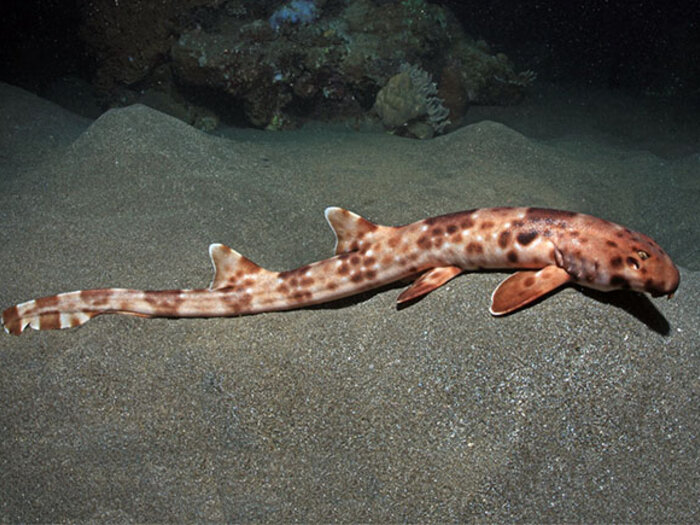
The Halmahera walking shark, formally described as a new species only in 2013, is found nowhere else on Earth.
World War Two history underwater
Japanese wrecks from the Pacific Theater rest throughout Halmahera's waters, now colonized by coral and marine life.
A true frontier destination
Complex, largely undeveloped coastline offering a genuine sense of exploration for divers who have already done Indonesia's more visited destinations.
Where the diving happens
Halmahera's diving spreads across several distinct areas, each reached from a different point on the island or a nearby gateway, giving operators considerable flexibility in how they build an itinerary.
The Walking Shark's Home
Halmahera's central east coast and the most reliable area to find the endemic walking shark, typically on night dives or slow, patient reef dives during the day, in water with productive but occasionally reduced visibility.
Wrecks and Muck Diving
A historic spice island off Halmahera's west coast, serving as the main departure point for most liveaboards, and a critter-hunter's destination in its own right, with world-class muck diving and several World War Two wrecks close to shore.
Currents and Pelagics
A current-swept channel offering drift dives and the region's best occasional chance of hammerhead sharks, connecting the diving grounds around Bacan and Tidore to the wider Halmahera itinerary.
Marine life and dive sites
Compiled from public dive references and kept current by PhinisiGO.
Halmahera's reefs benefit from the same biogeographic position that makes Raja Ampat so rich, sitting inside the same core of the Coral Triangle. The difference is visitor numbers: most sites here are dived only a handful of times a year.
Walking Shark Night Dives
The most reliable location to find the Halmahera walking shark, a small, harmless species that moves across the reef using its fins rather than swimming, typically active after dark.
Mosque Wrecks
Several World War Two wrecks resting at accessible depths just off Ternate, now home to nudibranchs, crocodile fish, and ghost pipefish.
Muck Diving Sites
Black volcanic sand sites around Ternate offering critter-focused diving comparable in style to better-known muck destinations further west.
Drift Dive Channels
A current-swept strait connecting Bacan and Tidore, offering the region's best occasional chance at hammerhead sharks along with strong reef fish activity.
Tifore Seamount
An open-ocean seamount known for clear, nutrient-rich water and occasional reef manta activity between September and October, though sightings are less reliable than at Komodo or Raja Ampat.
Pelagic Walls
Vertiginous walls off Bacan Island offering some of Halmahera's more dramatic topography alongside the chance of larger pelagic species passing in open water.
Beyond diving
Topside activities that make Halmahera workable for mixed groups of divers and non-divers.
Ternate’s spice island history
A historic center of the clove and nutmeg trade, with colonial-era sites and a compact old town worth a walking visit.
World War Two wreck history
Wrecks from the Pacific Theater scattered through Halmahera's waters offer a tangible connection to the region's twentieth century history.
Volcanic island scenery
Halmahera's interior rises into volcanoes visible from the water, giving the topside scenery a dramatic backdrop uncommon among Indonesia's flatter dive destinations.
Lush, largely intact rainforest
The island's interior remains substantially forested, a contrast to the more developed coastlines found near some of Indonesia's busier departure ports.
Getting there
Halmahera liveaboard trips typically depart from Ternate, whose Sultan Babullah Airport (TTE) receives daily flights from Jakarta (CGK), Manado (MDC), and Makassar (UPG). Some itineraries instead begin in Sorong, connecting to Raja Ampat on a longer crossing route, or in Bitung near Manado. Airport-to-liveaboard transfers are generally short and included by the operator, typically twenty minutes or less from Ternate's airport to the harbor.
Liveaboards sailing Halmahera
Example vessel profiles using the same listing structure as the main Liveaboards page.
Loading liveaboards…
Halmahera voyage guides
Practical planning topics connected to this destination, without replacing current information from the vessel operator.
Best time to sail Halmahera
A practical overview of seasons, sea conditions, rainfall, and the periods most commonly used for liveaboard itineraries.
Reaching Ternate
A simple planning outline for flights, arrival timing, hotel nights, and transfers before joining a Halmahera departure.
Halmahera or Raja Ampat?
Compare the two West Papua region destinations by access, cost, visitor numbers, marine life, and common trip formats.
Halmahera — frequently asked questions
Independently compiled planning answers, kept current by PhinisiGO.
What is the best time to visit Halmahera?
March through November avoids the monsoon season, with October and November generally offering the best visibility and calmest seas. Water temperature stays a consistent 27 to 30 degrees Celsius throughout the year.
How does Halmahera compare to Raja Ampat?
Operators frequently describe Halmahera's marine biodiversity as comparable to Raja Ampat's, given similar geology and reef structure, but at a markedly lower cost and with far fewer other liveaboards and divers on the water.
What is the Halmahera walking shark?
A small, harmless epaulette shark, formally described as a new species in 2013, that moves across the reef using its pectoral and pelvic fins in a walking motion rather than swimming. It is found only in Halmahera's waters, most reliably in Weda Bay, typically on night dives.
Can I dive World War Two wrecks in Halmahera?
Yes. Japanese wrecks from the Pacific Theater, including aircraft, cargo ships, and other vessels, rest in Halmahera's waters, most accessibly near Ternate, now colonized by coral and marine life.
How far in advance should I book a Halmahera trip?
Given the limited number of liveaboards and resorts currently serving Halmahera, planning six to twelve months in advance is generally recommended, particularly for popular dry season dates.
Search Liveaboards in Halmahera
Compare vessel profiles, listing status, capacity and pricing basis, then send an enquiry to PhinisiGO, your first point of contact for booking.