Banda Sea
Why visit Banda Sea
The Banda Sea is unusual among Indonesia's phinisi destinations in offering genuine colonial history alongside the diving, rather than as an afterthought.
The Banda Sea lies in eastern Indonesia's Maluku province, bounded by Sulawesi to the west and the islands of Nusa Tenggara to the south, and combines genuine colonial history on land with some of the most remote, current-fed diving in the region. Most voyages are crossing itineraries of ten to fourteen nights, typically starting or ending in Ambon or Maumere. Beyond the diving, the Banda Islands themselves carry real historical weight, having been the world's original and only source of nutmeg for centuries, at the center of the colonial spice trade. Trip length, exact route, and marine activities depend on the vessel and operator.
Few itineraries anywhere combine a working seventeenth century Dutch fortress, functioning nutmeg plantations, and pelagic-rich open-water diving in the same week. Banda Neira's old town can be explored on foot in an afternoon, and the volcanic cone of Gunung Api dominates the harbor view from the deck of most liveaboards at anchor. For travellers who want their trip to be about more than time underwater, the Banda Sea's mix of landscape, history, and remoteness is difficult to match elsewhere in Indonesia.
Genuine colonial history
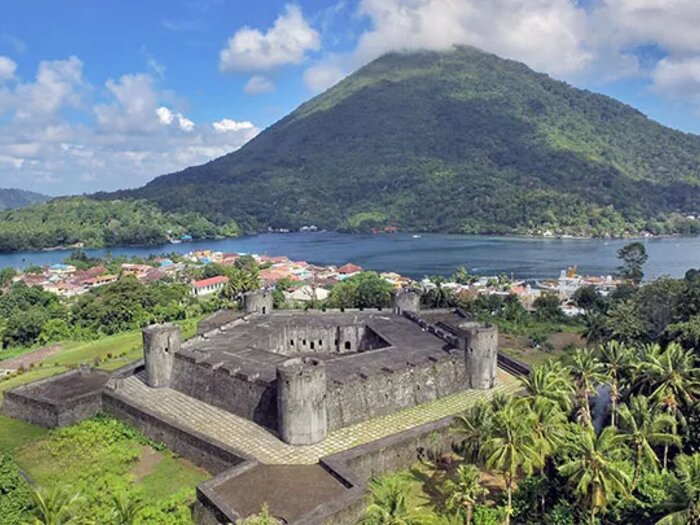
Fort Belgica, a seventeenth century Dutch fortress above Banda Neira, and the surrounding nutmeg plantations that made the islands famous, are both walkable from most anchorages.
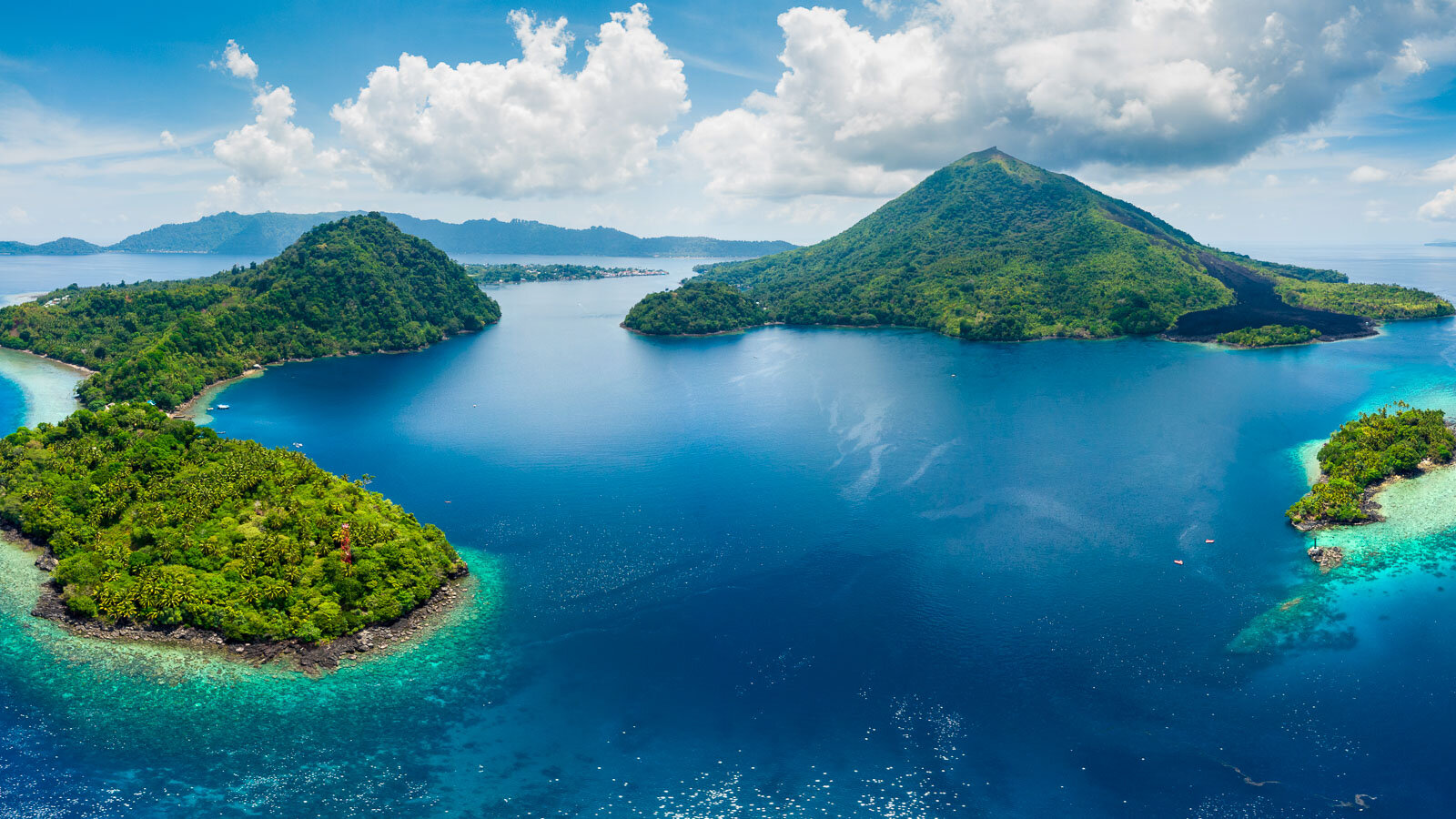
One of the most beautiful natural harbors
The arrival at Banda Neira, framed by the volcanic cone of Gunung Api and the island of Lonthor, is widely described by past travellers as a highlight of the entire trip.
Genuine remoteness
Among the least developed of Indonesia's major dive destinations, reachable only by liveaboard, with long open-water crossings that keep visitor numbers low.
A trip that rewards patience
Days often involve time in the blue waiting for pelagic activity, followed by a quiet afternoon ashore, a different rhythm from the constant activity of destinations like Komodo.
The route, broken into three parts
Most Banda Sea itineraries follow a similar shape: warm-up dives near the departure port, several days among the remote volcanic islands to the south, then the Banda Islands themselves toward the end of the trip.
Banda Neira and Gunung Api
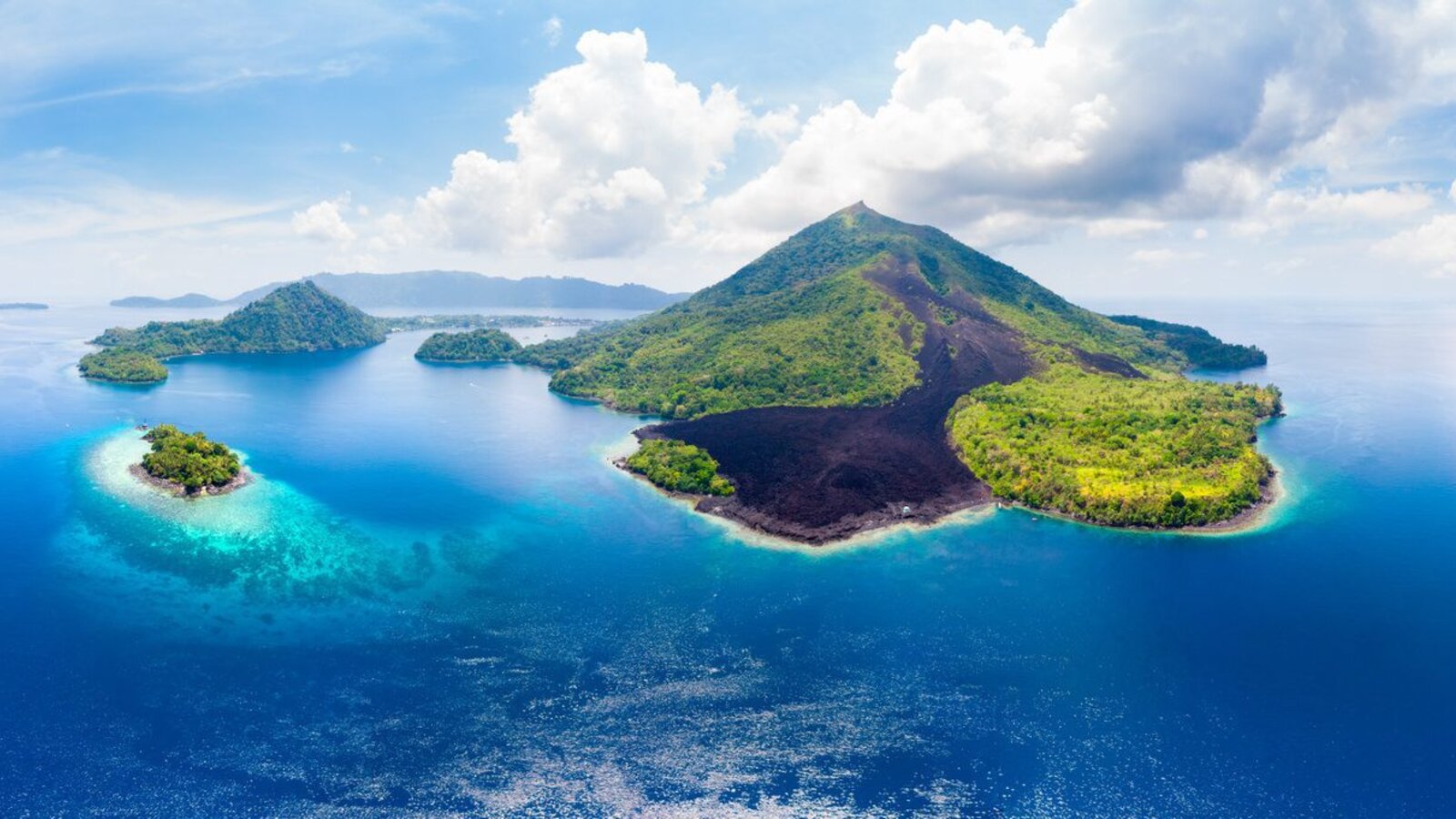
The historical and geographic heart of the trip. Banda Neira's colonial fort and nutmeg plantations sit above a harbor shared with the active volcano Gunung Api, whose 1988 lava flow has regrown into one of the region's more unusual dive sites.
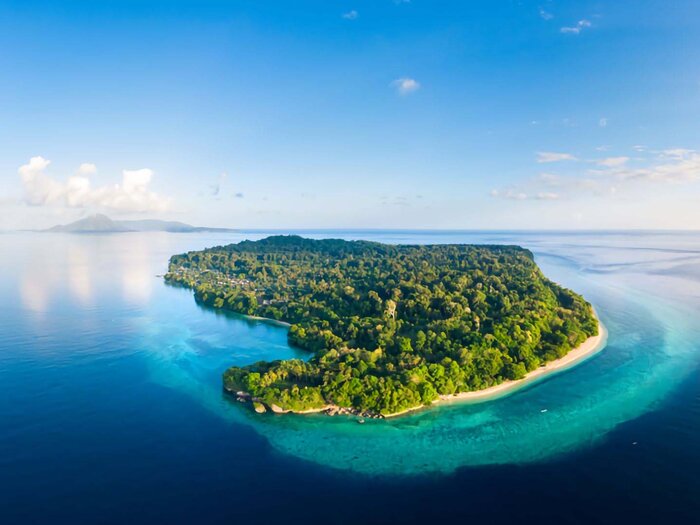
Pulau Ai
An island ringed by steep walls decorated in soft corals, and one of the more consistent places in the Banda Sea to see hammerhead sharks and, less predictably, thresher sharks.
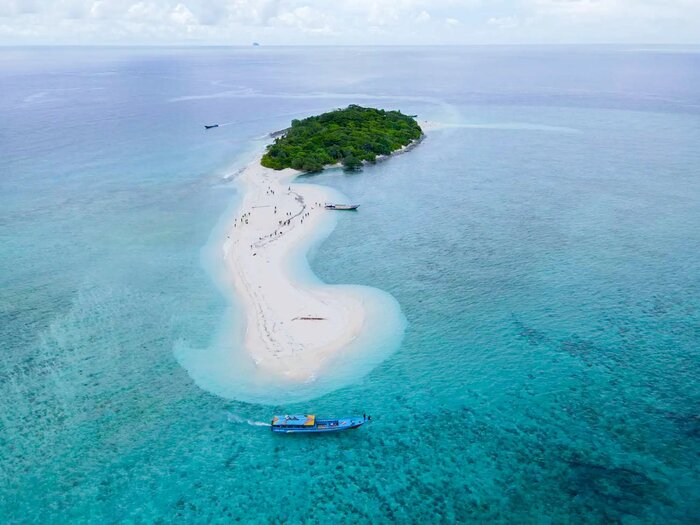
Nila, Serua and Manuk
Remote volcanic islands reachable only on longer crossing itineraries. Manuk is known for its resident sea snake population, while Nila and Serua are among the most reliable schooling hammerhead sites in Indonesia.
Marine life and dive sites
Compiled from public dive references and kept current by PhinisiGO.
The Banda Sea drops away steeply into deep open water close to shore, which is exactly what draws pelagic species through on their seasonal crossings. Conditions here favor divers with some current experience over complete beginners.
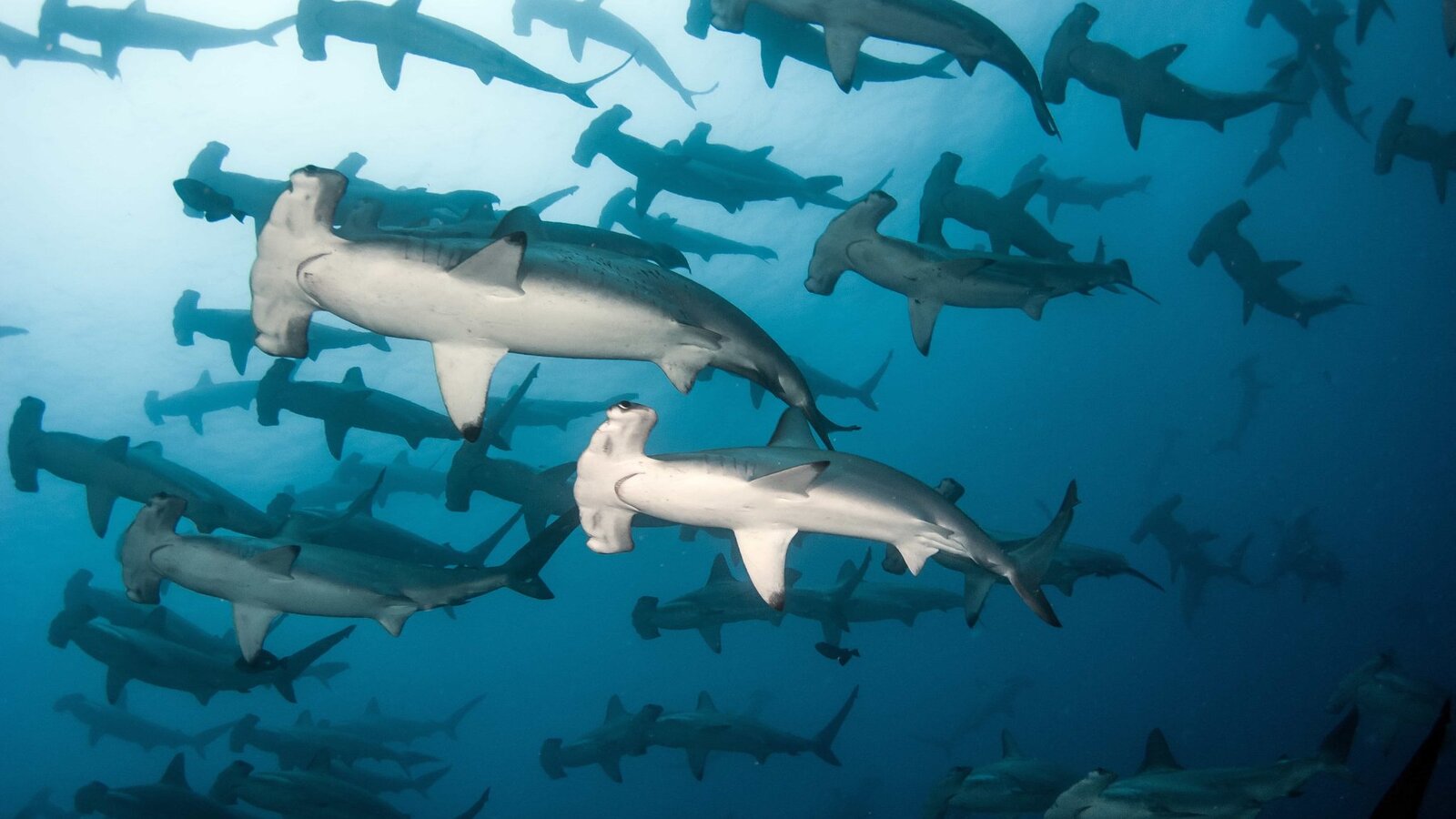
Gunung Api Lava Flow
Hard coral has recolonized the black volcanic rock left by the 1988 eruption at a rate that has surprised researchers, making this a genuinely unusual dive rather than a typical reef.
Banda Neira Wall
A reef in front of the historic town, combining schooling fusiliers and barracuda with the chance of reef sharks and eagle rays close to shore.
Pulau Ai Walls
Steep walls circling the island of Ai, decorated with yellow soft corals, and one of the more consistent hammerhead and occasional thresher shark sites in the Banda Sea.
Nil Desperandum
A remote seamount rising to within a few meters of the surface, widely regarded as the most reliable schooling hammerhead site in Indonesia, reachable only on longer itineraries.
Suanggi
A small, seabird-covered rocky island with a wall and underwater plateau, known for schooling hammerhead sharks passing in open water.
Manuk
An uninhabited volcanic island famous for its dense resident population of sea snakes, alongside barrel sponges and healthy fish life.
Beyond diving
Topside activities that make Banda Sea workable for mixed groups of divers and non-divers.
Fort Belgica
A well-preserved seventeenth century Dutch fortress above Banda Neira, offering views over the harbor and the volcano Gunung Api.
Nutmeg plantation walks
Guided walks through working plantations that made the Banda Islands the center of the colonial spice trade for centuries.
Banda Neira town and market
A stroll through the old colonial town and its market, typically combined with a traditional Bandanese breakfast on shore.
Sunset on deck at anchor
The harbor between Banda Neira, Gunung Api, and Lonthor is regularly described as one of the most striking natural anchorages in Indonesia.
Getting there
Banda Sea voyages typically start or finish in Ambon (AMQ) or Maumere (MOF) on Flores, with some operators running the crossing in either direction. Ambon is reachable from Jakarta (CGK) with a single connection, while Maumere connects via Bali (DPS) or Jakarta with a stop. Because most itineraries are ten nights or longer and involve open-water crossings, travellers typically fly into one city and out of the other, requiring more flexible travel planning than a standard round-trip. Arriving a day before embarkation is worth planning for given the possibility of delays on eastern Indonesian domestic routes.
Liveaboards sailing Banda Sea
Example vessel profiles using the same listing structure as the main Liveaboards page.
Loading liveaboards…
Banda Sea voyage guides
Practical planning topics connected to this destination, without replacing current information from the vessel operator.
Best time to sail the Banda Sea
A practical overview of seasons, sea conditions, rainfall, and the periods most commonly used for liveaboard itineraries.
Reaching Ambon or Maumere
A simple planning outline for flights, arrival timing, hotel nights, and transfers before joining a Banda Sea crossing.
Banda Sea or Alor?
Compare the two remote, current-driven destinations by access, typical voyage length, marine life, seasonality, and common trip formats.
Banda Sea — frequently asked questions
Independently compiled planning answers, kept current by PhinisiGO.
What is the best time to visit the Banda Sea?
The Banda Sea has two peak windows tied to schooling hammerhead migrations, March to April and September to November. Both offer calmer seas and the plankton-rich currents that draw hammerheads to sites like Nil Desperandum and Serua.
How long should a Banda Sea trip be?
Most trips run ten to fourteen nights as a crossing itinerary between Ambon and Maumere, longer than a typical Komodo trip, reflecting the open-water distances between sites. Shorter trips are uncommon given how remote the signature sites are.
What certification do I need?
Most operators require a minimum of Advanced Open Water certification plus fifty logged dives, with some requiring one hundred or more for the strongest open-water sites such as Nil Desperandum, Serua, and Manuk. The Banda Islands sites themselves are somewhat more accessible to confident Advanced divers.
Can I visit the Banda Islands without diving?
Yes. The historical stops at Fort Belgica, the nutmeg plantations, and Banda Neira's old town are topside excursions separate from the diving program, suitable for non-divers traveling in the same group.
Why are the Banda Islands historically significant?
For centuries the Banda Islands were the world's only source of nutmeg, making them the center of the colonial spice trade and a flashpoint of competition between European powers. That history is still visible today in Fort Belgica and the working plantations around Banda Neira.
Search Liveaboards in Banda Sea
Compare vessel profiles, listing status, capacity and pricing basis, then send an enquiry to PhinisiGO, your first point of contact for booking.